
Cristina Jerome on Hustle Culture, Burnout, and Building Community With Off Worque
For many industry professionals, “rise and grind” has transitioned from a catchphrase to a lifestyle that often feels like a nonstop train you can’t get off. And while society tends to glorify the person who works 40+ hours a week and still manages to meal prep, work out, and even run a marathon, what’s often disregarded is the burnout looming in the background. This constant pressure to achieve and optimize has a name, and it goes by: hustle culture.
Hustle culture can lead to burnout, creating a never-ending cycle that can take a toll on a person’s mental, emotional, and physical well-being. A 2025 survey from Moodle, conducted by the research consultants at Censuswide, shows that66% of American employees are experiencing some burnout, with younger generations (18-34) facing significantly higher rates. What has been framed as ambition and productivity continues to be a concern, which raises the question about what it actually means to find balance in a culture that constantly pushes us to do more.
That’s where third spaces come into play. Traditionally, third spaces have been physical places that give people neutral ground to rest and connect with others outside of work and home. Third spaces have since evolved into digital networks, collective institutions, and social clubs in response to social factors like the modern loneliness epidemic, shifting economic pressures, and technology. Through its evolution, the mission of third spaces has remained the same: providing access to environments that foster community, build connection, and offer a sense of belonging.
That’s where third spaces come into play. Traditionally, third spaces have been physical places that give people neutral ground to rest and connect with others outside of work and home. Third spaces have since evolved into digital networks, collective institutions, and social clubs in response to social factors like the modern loneliness epidemic, shifting economic pressures, and technology. Through its evolution, the mission of third spaces has remained the same: providing access to environments that foster community, build connection, and offer a sense of belonging.
Having her own personal experience with the hustle and bustle of life, Cristina Jerome made it her mission to help others achieve a greater work-life balance –one that she eventually implemented for herself. In 2024, Jerome founded Off Worque, a DC-based non-profit social club that focuses on teaching people to detach from their job titles and reconnect with who they are beyond work.

Through thoughtfully curated events, interactive workshops, and community gatherings, Jerome creates intentional spaces for members to rest, connect with others, and remember that there is more to their identity than what they do for a living.
Ahead, thrdspc caught up with the founder and executive director of Off Worque about the inspiration behind her non-profit, her perspective on building and sustaining third spaces, and what’s next for her growing community.
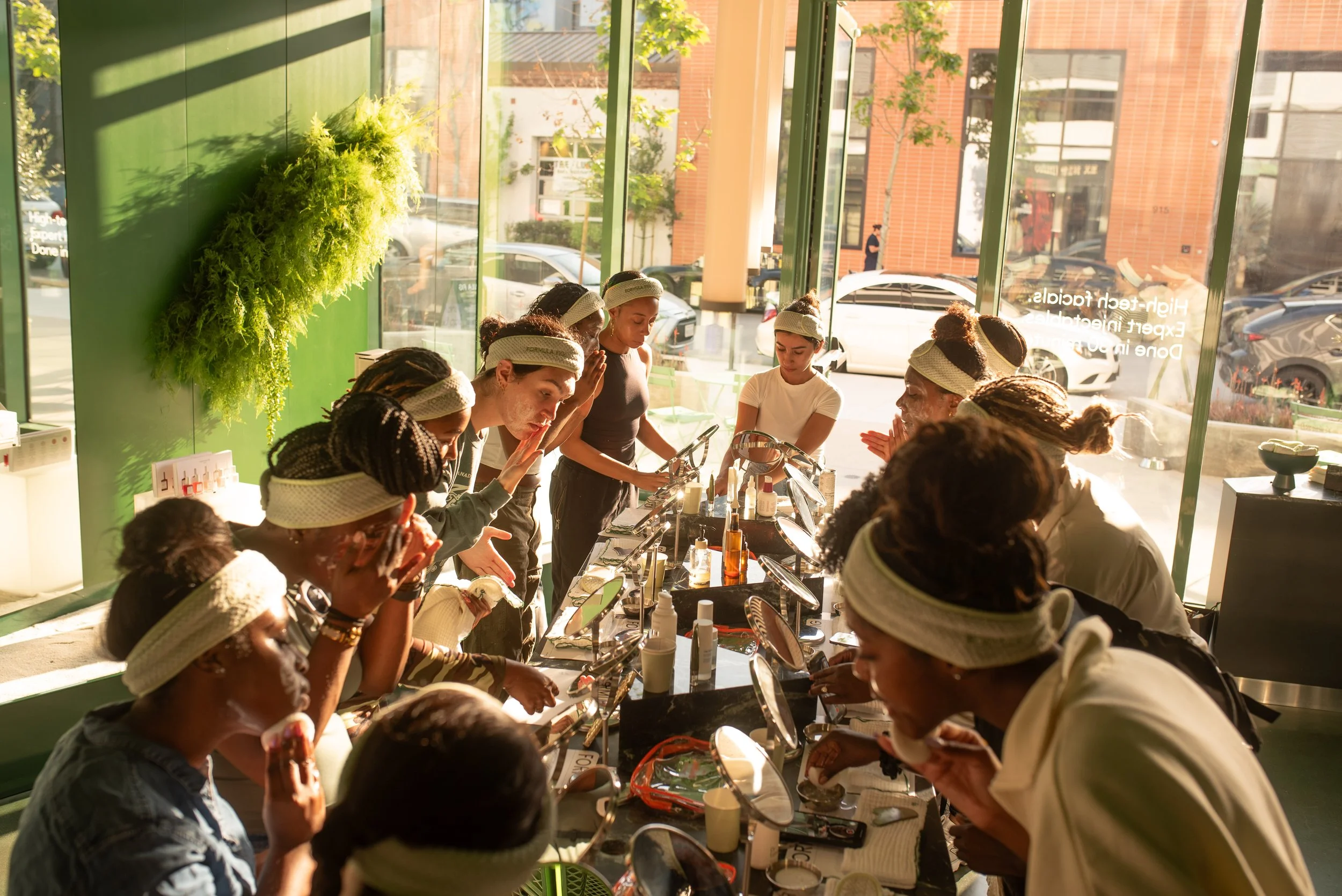
thrdspc: What gap in the community did you see that inspired you to create Off Worque?
Cristina Jerome: When you’re deep in your career, it’s easy to form a community that centers around it. Your work friends become happy hour friends, you invite them to your home, they become a part of your community, but the conversation remains the same – shit talking about work and being burnt out.
I’ve bounced around industries and collected friends from all of them, but I wanted healthier conversations and spaces to meet people over a shared activity rather than an industry. Thus, Off Worque was born. It’s a safe space to de-center your job and bask in creativity, wellness, fitness, conversation, and build relationships that can nurture you after you leave your job.
At a time when hustle culture often leaves people feeling burned out and disconnected, why was creating a space centered on rest, community, and balance so important to you?
CJ: If I didn’t make it a priority, I would not be here today. Working in social media for over 10 years definitely takes a toll on you mentally and physically. It shows greatly in your work when you’re not present, and I wasn’t. I burnt myself out chasing what I thought was most important: having a cool job, making six figures, and getting paid to travel, and work in corporate social media. But the more money I made, the more I traveled, and the cooler I looked, the more I realized I lacked a community to just unwind.
Many traditional third spaces have become less accessible because of rising costs. How do you think community builders can create spaces that remain both sustainable and accessible?
CJ: My hot take is that third spaces follow the same capitalistic rules that any other business does. But, we have empathy, purpose, and a vision for who we want in our space. Whereas others are selling things that anyone can buy into and sell more of. I sell as much as I can to corporations by hosting corporate wellness events and selling our conversation cards wholesale while preserving the essence of Off Worque through community events, both free and paid.
How does Off Worque think about affordability and accessibility when creating opportunities for people to gather and connect?
CJ: As a third space, I have several different offerings.Our wellness guide library is free and will always be free. It’s full of guides to help you live your best life. We have free events. Our walk club, game nights, and anything else that I can offer at little or no cost will remain that way. Community builders should diversify their offerings, making their space and products accessible by creating tiered systems and publicizing them. Promote the free offering and the paid offering equally.
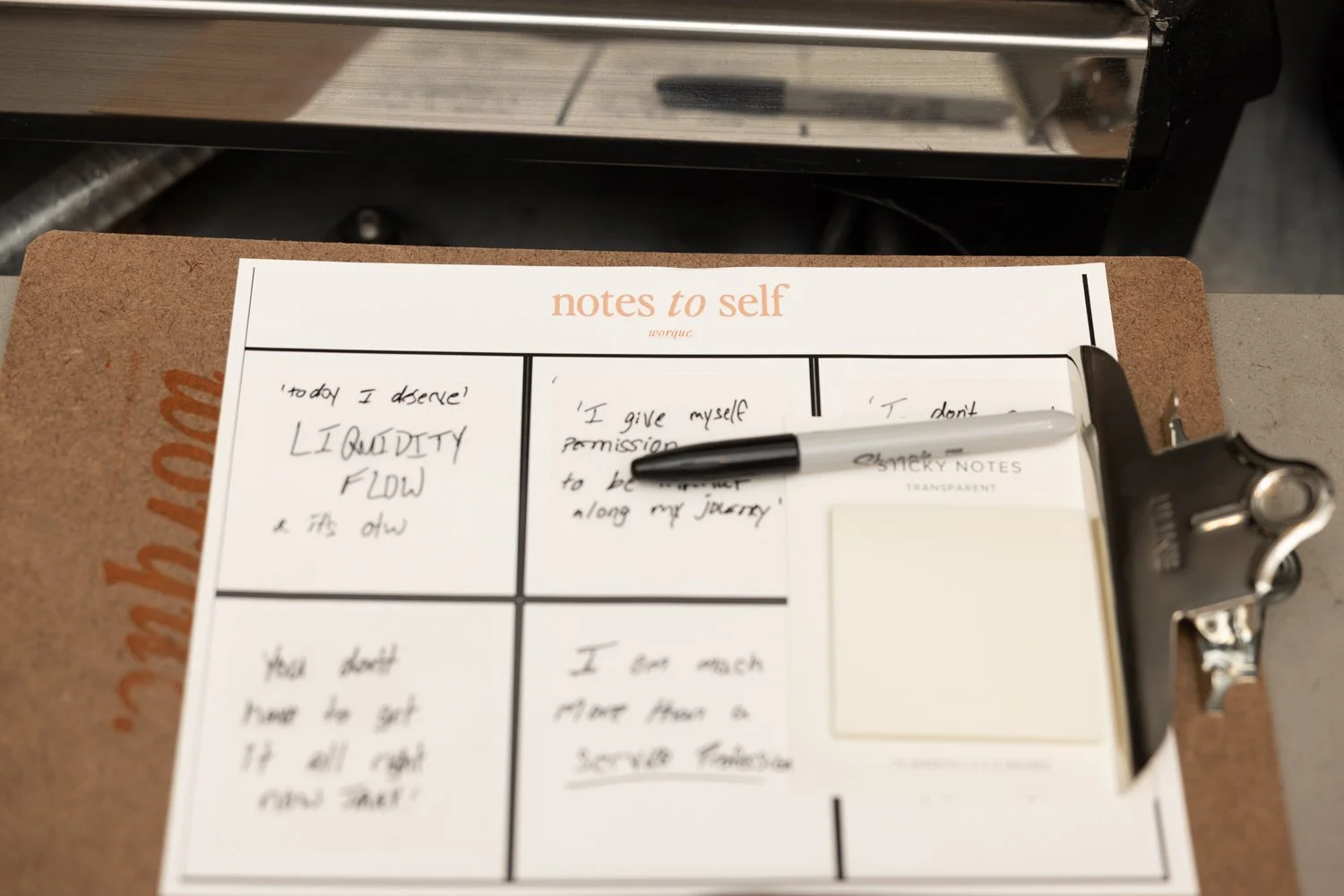
Off Worque helps cultivate a space where mental well-being is a priority. From your perspective, how can third spaces like Off Worque support the mental and emotional well-being of Black and brown communities?
CJ: The best way to connect with Black and Brown communities is to be a resource, supportive, and offer exactly what our people need with a cultural nod. This looks like a safe space to vent about your job with a Black woman. This looks like Pilates, yoga, or a walking group led by a Brown woman. This looks like visiting our website and content and seeing you in it.
What role do you hope Off Worque plays in shaping the future of third spaces?
CJ: Off Worque will become a verb. It’ll be a brick-and-mortar space where you can get work done and take a wellness class, connect, and exist outside of your work title. Off Worque will also give three microgrants this year to creatives, professionals, and founders who desperately need a day off but can’t afford to take it. By continuing to operate in a place of purpose, Off Worque as a third space can be as big as your local WeWork, but with community, intention, and well-being in mind.
READ MORE ON ‘CIVIC’

How the Brown Butter Supper Club went from selling out Atlanta to selling out a six-city tour, and what it says about food and community.