
Editor’s Note: The New Capital, Telosa, and the Question They're Not Asking
Years ago, I thought Akon was a trendsetter – a little because ‘Smack That’ is the background song to my memories – but mostly because he introduced Akon City, the $6 billion project planned as a high-tech, eco-friendly smart city recently shelved and abandoned by the government of Senegal. He even came up with his own form of cryptocurrency that would help power the city which at the time was unheard of, especially among celebrities.
Though it didn’t work out, I didn’t know then that this would spark the beginning to my journey exploring how the future could work.
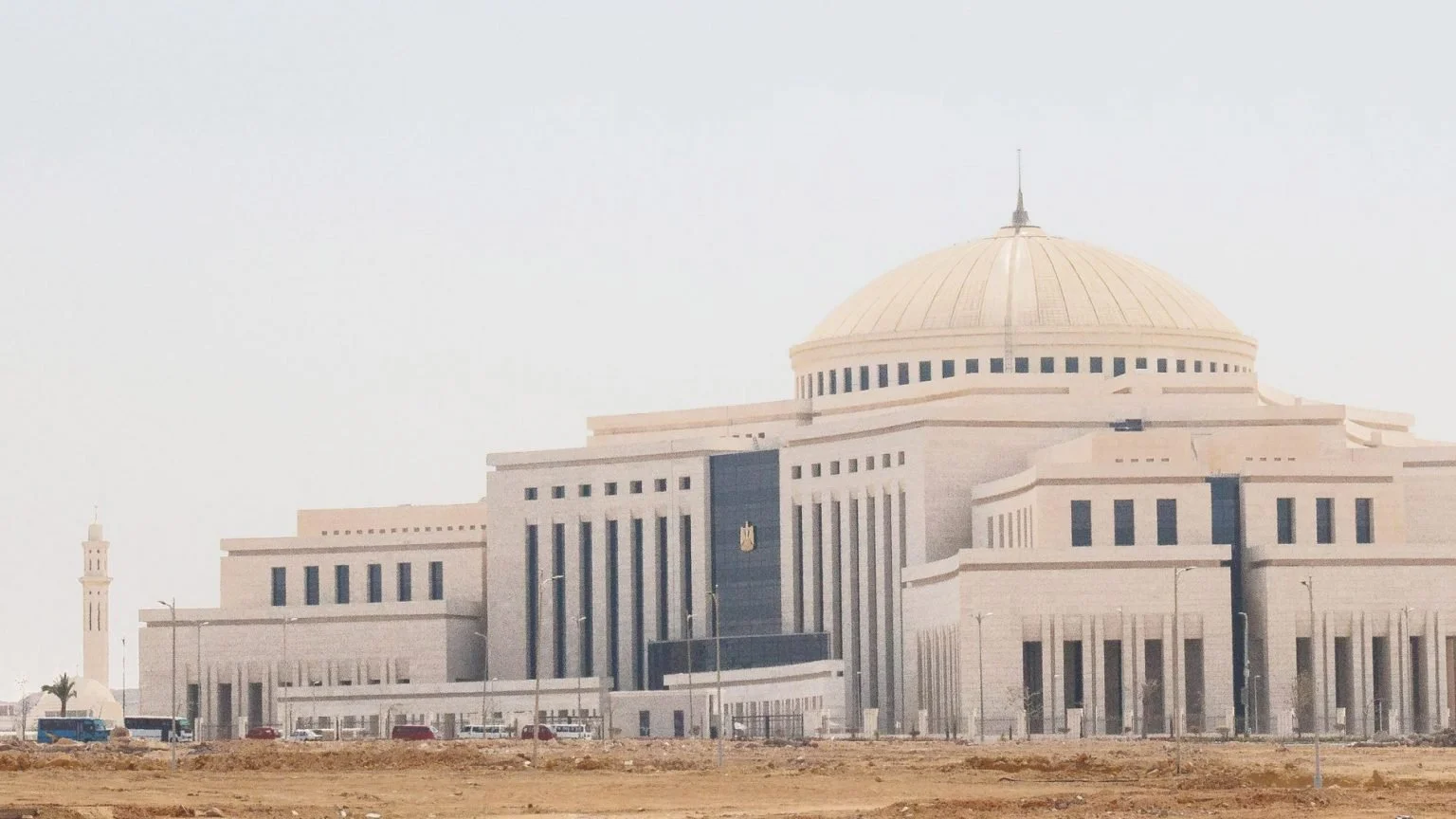
Photo Credit: Dezeen
A New Era of Urban Ambition
Years later, we’re entering an era of mass changes, with promises of new utopias popping up around the world.
Egypt is working on the The New Capital (formerly the New Administrative Capital), a functioning desert city complete with Africa's tallest building, Iconic Tower, – built to relieve infrastructure pressures in Cairo.
There’s an emerging city, Telosa, scouting locations in the United States with wooden megastructures and autonomous transit built around a 15-minute-city model.
Paris is rebuilding itself into "Greater Paris," with a Bioclimatic Urban Master Plan to adapt to rising temperatures and climate change over the coming century.
What we’re witnessing is an adaptation to urban areas where over half the world (55%) live. The UN expects that to hit 68% by 2050, betting its future on cities that don't fully exist yet, built by people who've decided upgrading what we already have isn't enough anymore.
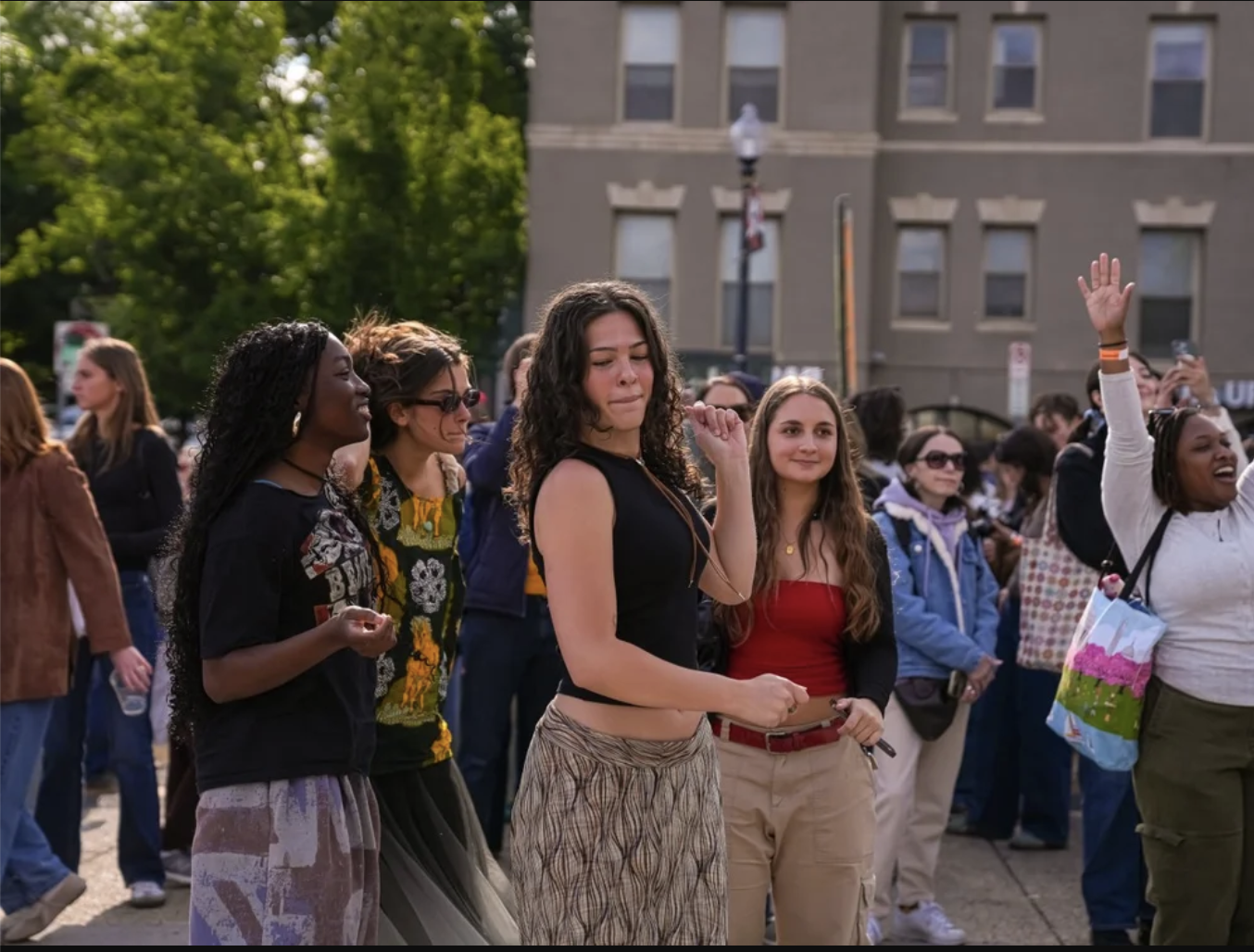
In the same vein, ‘people yearn for community’ trends on social media – where we’re seeing an influx of social clubs and parties in response to a cultural rejection from isolation and doomscrolling toward real-world, in-person connection. Though we’re building these large-scale projects, people are longing for simple ways to socialize in their everyday lives.
The Gap thrdspc Came Out Of
Way back when portfolio careers and being multihyphanate wasn’t the norm, people would gently nudge me to pick a lane. And though I likely never will, I realize now that I was mirroring the future.
I've spent almost a decade doing brand strategy and creative work across what I used to think were a scattered set of industries. A portfolio of hotels. Social justice initiatives for non-profits. Merging the Cannes LIONS and Effies into a foundation for underrepresented creatives across the globe. Developing presentations that have raised millions of dollars to help build American manufacturing. Helping tech startups sell. Economic development with business improvement districts here in DC.
And that's the gap thrdspc came out of – an interest in merging our spaces with the complex system of catalysts that hold our society together (technology, transportation, manufacturing, etc). But I always felt like the connection and shared experiences we needed as a throughline to tie all of these things together always came at a second thought, especially as we enter what feels like a new-age Industrial Revolution. Even now, you see companies rebranding to join the AI race – changing from “human-centered” to “AI-powered.”
Building at Different Scales
In that sense, it's strange to sit next to the Telosas of the world. Those projects are bets on what the future should look like, engineered from the top down, budgets in the billions.
What I'm building is closer to the opposite, but I don't think the two are unrelated. Both are responses to knowing that the way we live now isn't holding up.
Though, the stakes aren’t the same everywhere this shows up.
Right now, in parts of Memphis, Tennessee and Gary, Indiana, Black communities are living through extended power outages showing a preview of the effects of the rapid surplus of data centers and weakening grid challenges. In return, neighbors and churches are the ones stepping in while these complex systems that were supposed to help lag behind.
In the end – though we can build new cities from scratch and develop new ways of thinking – it’s the people around you right now, in your immediate surroundings, that are going to be there for you. My fear is that as we continue underscoring and underestimating the power of connection, empathy, culture and inclusion alongside all of the powerful ways technology can also help us, that we’ll continue to stray further from each other in a time where we need each other more than ever.
In building thrdspc, I don’t want to become so future-focused and abstract that I don’t see the forest for the trees and the people here now.
Though Akon City never got built, the failure of it isn't really what stuck with me. It's that a decade later I'm still turning over the questions it left behind, like what actually holds people together once the ribbon's been cut and the press cycle moves on, and whether anyone building at that scale is asking that question at all, or just assuming the buildings and businesses will engineer those needs.
I don't have a city to point to just yet. What I have is smaller, a bet, really, that paying real attention to the people already standing in front of you isn't the opposite of building something for the future. It might be the only way anyone actually gets there.
READ MORE ON ‘CIVIC’


How the Brown Butter Supper Club went from selling out Atlanta to selling out a six-city tour, and what it says about food and community.