
LA Design Week/end and DC Design Week are built differently, but their organizers describe the same job for a room.
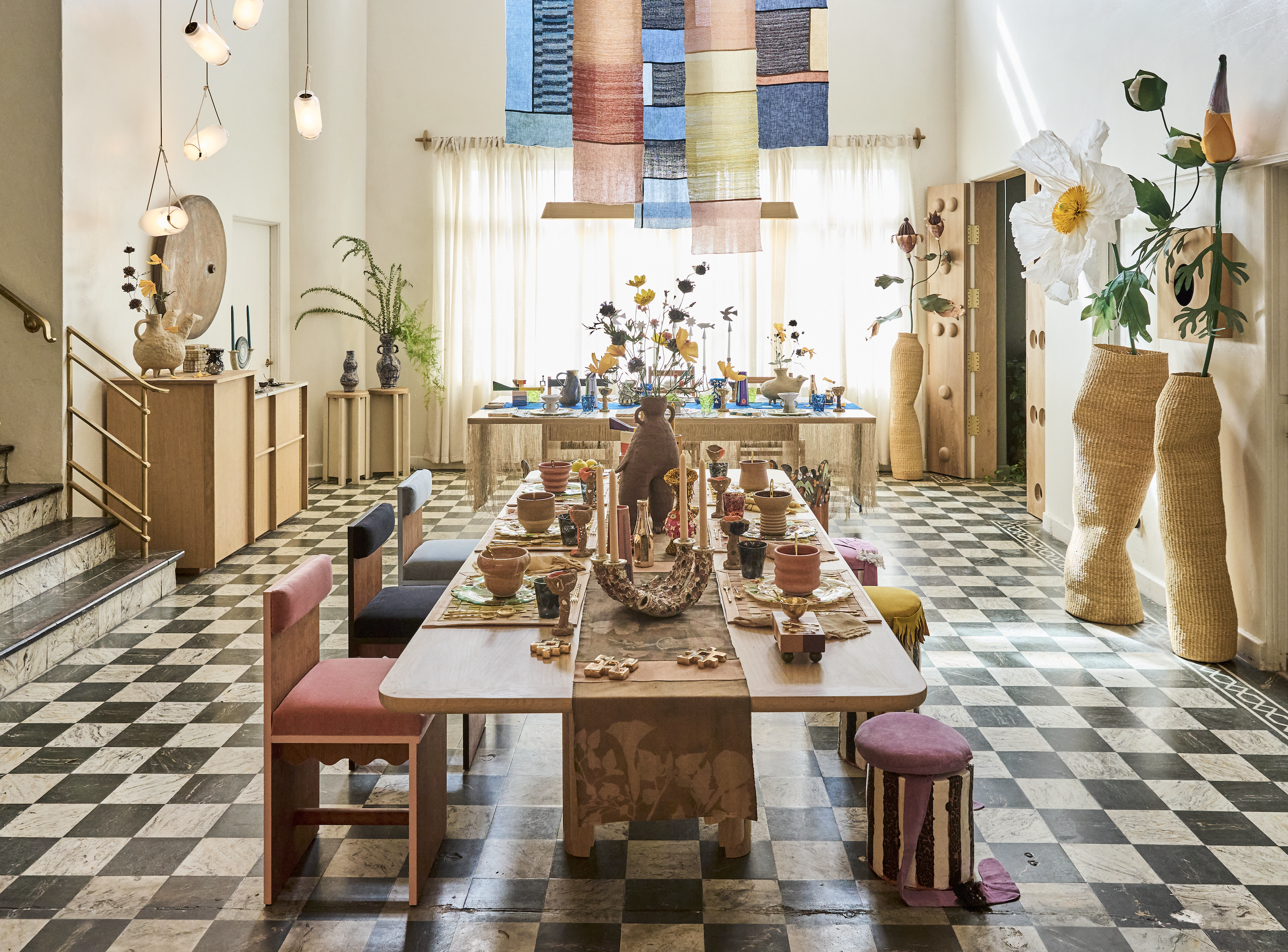
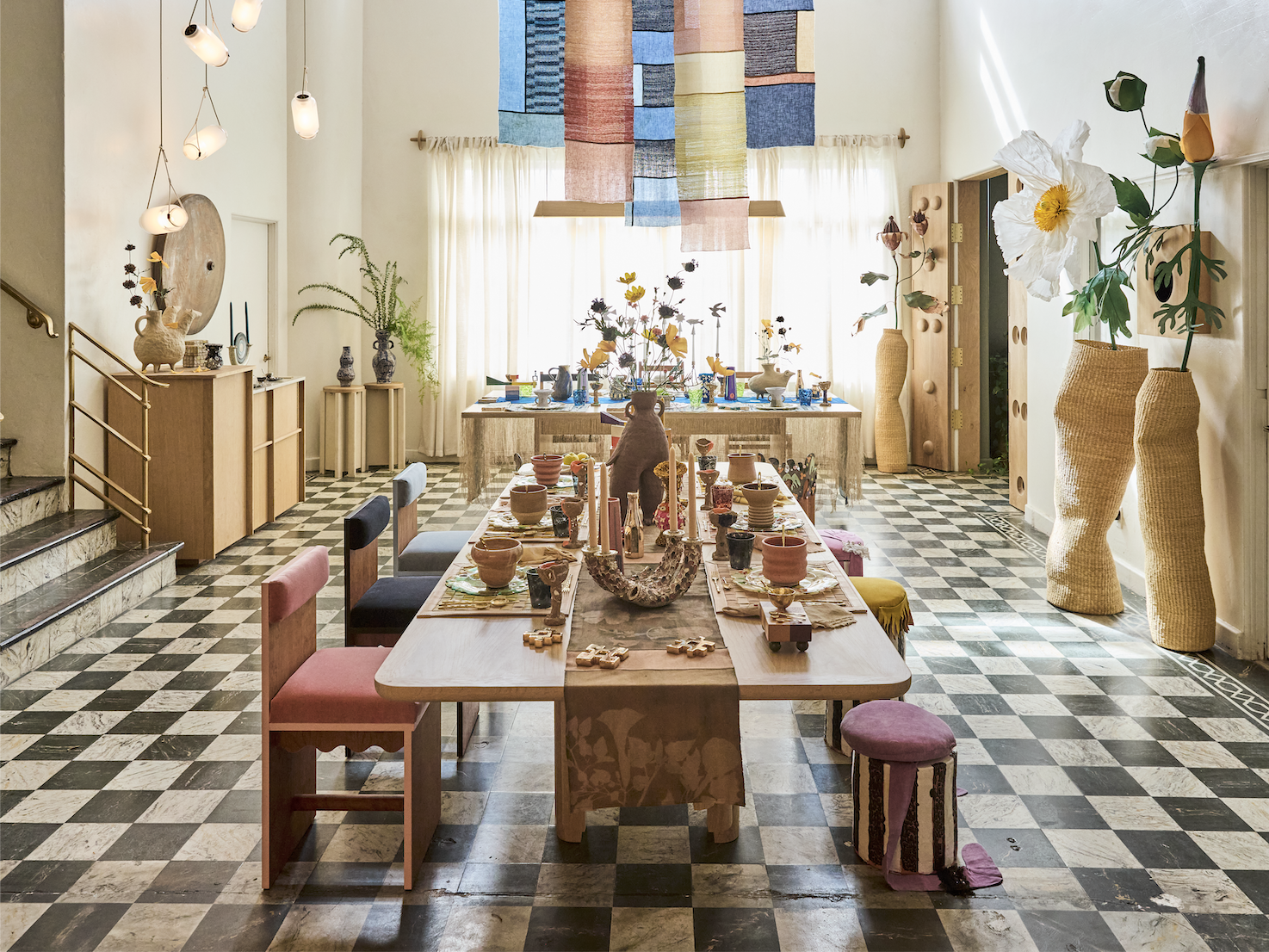
Photo Credit: Christopher Dibble
“Fall has always felt like a creative pre-New Year,” says Eden Angelina, a creative producer and director who co-chaired DC Design Week. It is a useful way to understand why design weeks cluster in the fall. After a summer of stepping back, the calendar fills with exhibitions, launches and open studios, and people are ready to gather again.
Holland Denvir, founder of LA Design Week/end, sees the same pull and the same pressure. “Fall feels like a natural time to bring people back together after summer,” they say, though “the crowded calendar also means everyone is competing for time and attention.”
This fall, CIVIC asked the people behind two of those design weeks the same five questions: what the week means to its city, what they look forward to most, what their city brings to design that no other does, how the spaces people gather in shape the way they feel and create, and why design weeks land in the fall. Atlanta Design Festival’s team was not available for comment before publication.
Los Angeles: Getting People Out of Their Own Neighborhoods
LA Design Week/end (LAD/W) is built around a problem of distance. “LA has an enormous creative community, but it’s spread across a city where it’s easy to stay in your own neighborhood or professional circle,” Denvir says. “LAD/W gives people a reason to get out, visit somewhere unfamiliar, and meet the people making things here.”
Denvir, who has called Los Angeles home for over a decade, says making design and art accessible was central to why the festival started. “You shouldn’t need to work in the industry or know the right person to walk into a studio or exhibition.”
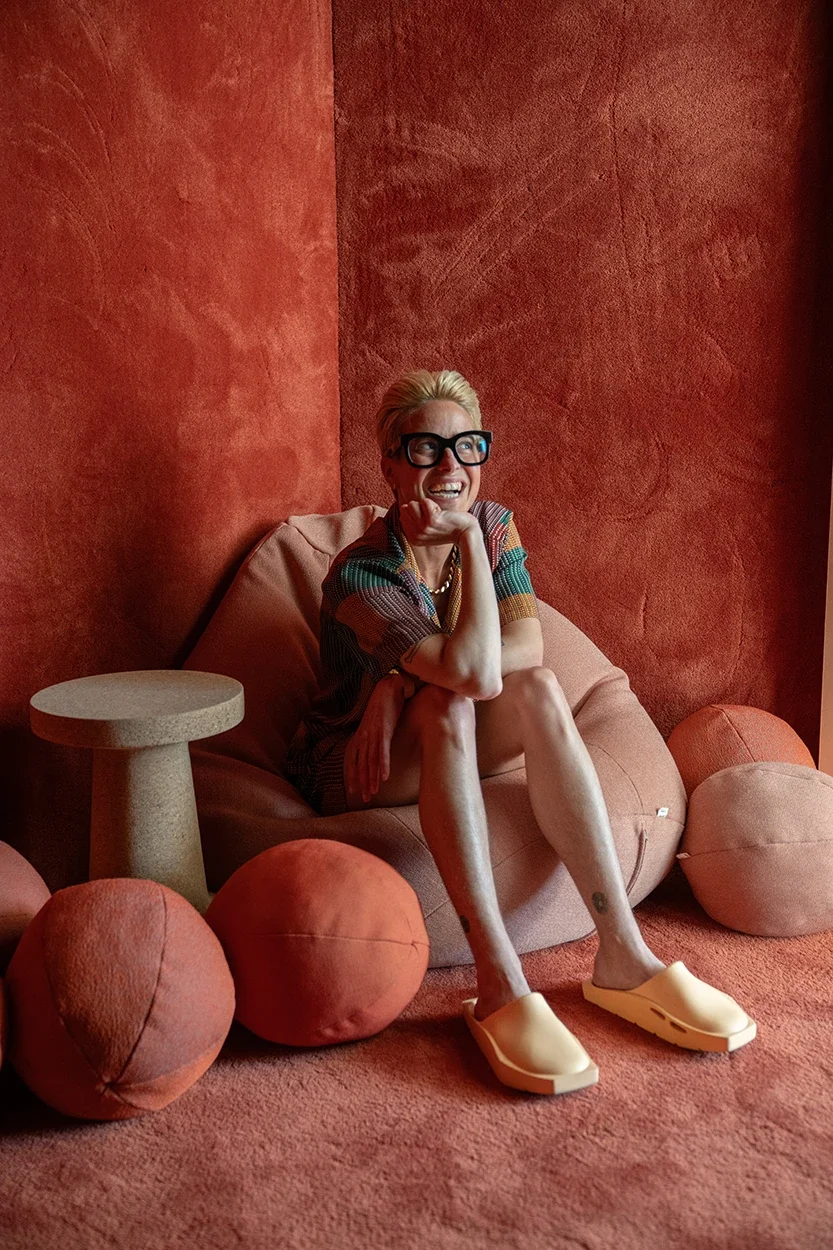
The format reflects that. According to LAD/W’s press materials, the festival launched in 2024 with 46 locations and more than 8,000 attendees, and its second edition welcomed more than 12,000 across 15 neighborhoods. The 2026 edition, the third, ran Sept. 30 to Oct. 4, grew from three days to five and brought together more than 130 designers, studios, galleries and brands. Rather than concentrate programming in a convention center or a single design district, it sends visitors through open studios, exhibitions, product launches, workshops, installations and parties.
Denvir says the city’s creative character shows up in who is in the room. “Someone designing furniture might also build sets, make sculpture, or work in fashion.” That overlap shapes what gets made, they say, along with a willingness to start without a perfect venue. “A garage, a backyard, or a shared studio can become a place to make and exhibit work.”
The moment that captured this year’s festival, Denvir says, was the Saturday party at Small Green Door, which brought together the Open Call exhibition, workshops and music with the radio station dublab. “People could spend time with the work, make something, and stay to dance.” In Denvir’s words, that is what LAD/W is meant to be: “accessible, unexpected, and fun.”
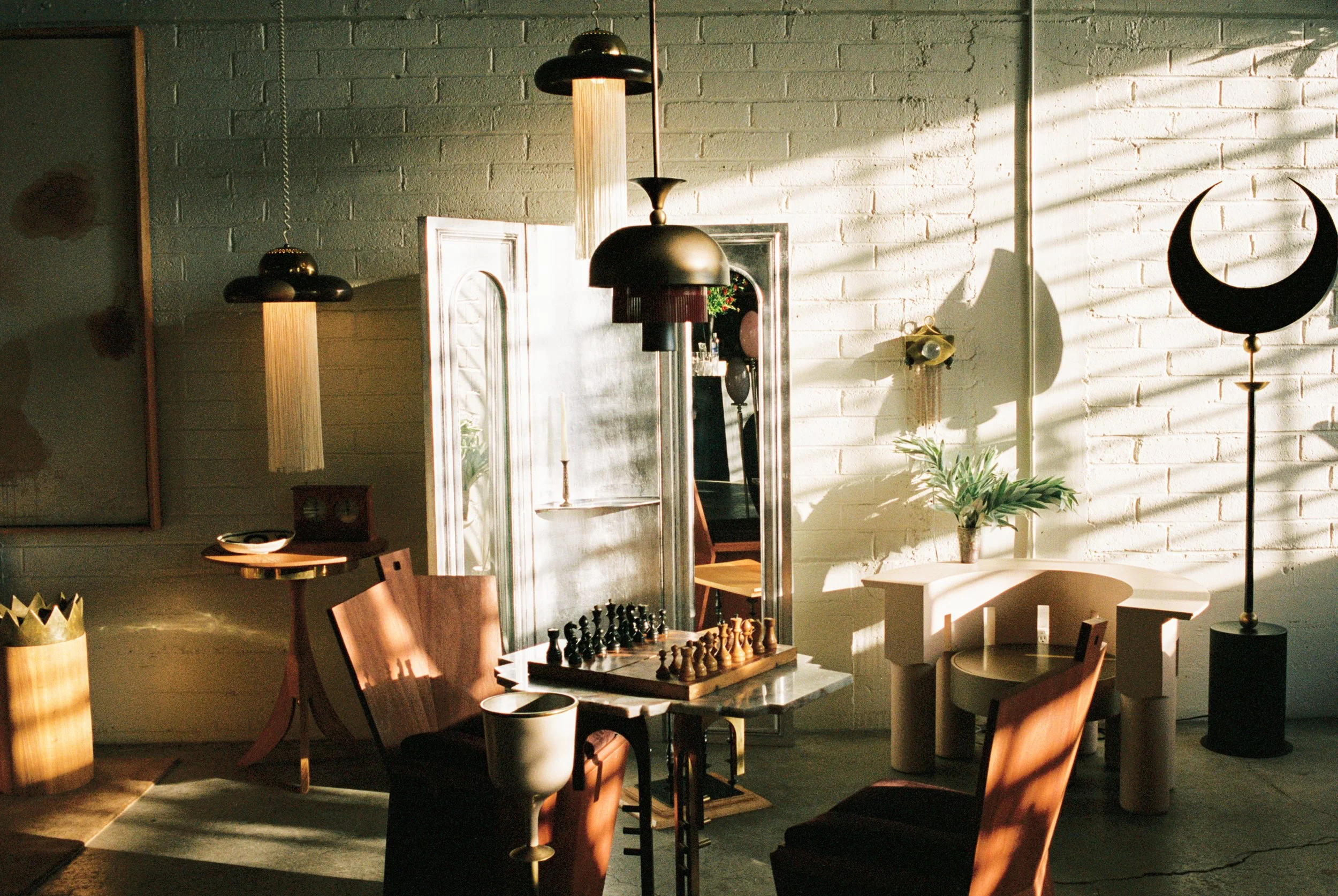
On how rooms shape people, Denvir is specific. “A space can make you feel comfortable asking a question, or make you feel like you shouldn’t have walked in.” Visiting a studio helps, because “you get to see the materials, experiments, and unfinished work around the finished object.” But the room is only part of it. “You can have a beautiful space, but someone still needs to make it clear that you’re welcome there.”
Asked about trends, Denvir says they are “pretty agnostic,” more interested in people than forecasts. What they hope to see next year is “even more of a collaborative spirit: people sharing resources, opening their spaces, and making room for each other’s ideas.”
Washington, D.C.: Intimacy and Cultural Depth
DC Design Week starts from a different premise. “DC Design Week is proof that creativity exists and can thrive in the city,” says Angelina, the founder of gardenviews Creative, whose work spans visual storytelling, tactile set design and experiential activations. In her view, “DC is full of talented creatives who get overshadowed by federal culture,” and the week exists to give those people “an intentional place to share their work and be recognized locally.”
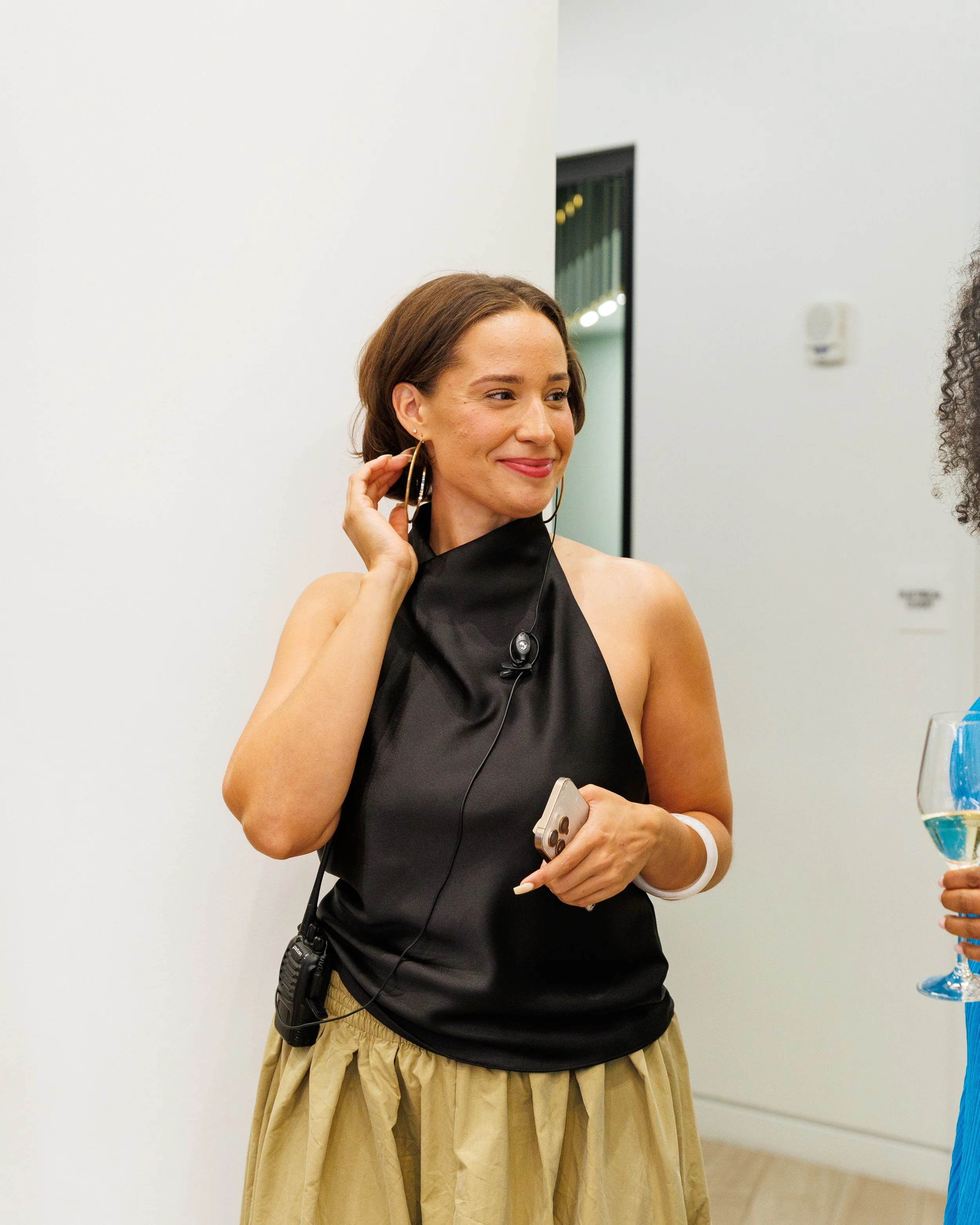
Pictured: Eden Angelina, DCDW Co-Chair
What Washington brings to design, she says, is closeness. “DC brings an intimacy and cultural depth that larger creative hubs often miss.” Because of the city’s footprint, the community is tight-knit. “It is easy to find your people, share resources, and actively uplift one another across both independent studios and civic spaces.”
She also points to the city’s history. “DC is also a historically Black city with a rich legacy of community organizing and cultural ownership. That foundation shapes how designers create here with real purpose, shared respect, and an ongoing commitment to supporting the people around them.”
Angelina says the part she looks forward to most is the making of the week itself. “I look forward to the journey that is bringing DC Design Week to life from scratch,” she says, including “watching our little scratchy post-it notes evolve into a fully realized celebration of creativity across the city.” This year, she says, the POV Portfolio and Creative Development workshop captured the week best, calling it “such an amazing space for folks to engage in real dialogue and genuine mentorship.”
Her test for a good room is whether anyone has to think about it. “A space is successful when the details are so considered that people do not have to think about the room at all.” When the lighting, materials and layout are right, she says, “People do not have to spend energy adjusting or feeling guarded. They can simply drop their guard, stay present, and lean into their creative flow.” Her summary: “Good design quietly removes the distractions so real expression and collaboration can take over.”
Looking ahead, Angelina sees “a clear movement toward tactile, physical experiences and analog craft.” In her words, “People are craving environments, sets, and visual work with tangible weight that exist off screens and feel genuinely grounded.”
Where the Two Meet
The two weeks are built for different cities. LAD/W is about reach, moving people across a large, spread-out city. DC Design Week is about closeness, using a tight-knit community to deepen the work. Their answers keep landing in the same place.
Both describe a room by how it treats the people inside it. Denvir talks about welcome and the question you feel comfortable asking. Angelina talks about the guard you no longer need to keep up. Both talk about resources as something to share, and both see design weeks as a way to put people in conversation who might not otherwise meet. As Denvir puts it, “I look forward to seeing people connect who might never have crossed paths otherwise.”
Even their answers on trends point back to people. Denvir would rather talk about how people treat each other. The shift Angelina sees is a craving for physical, tactile experiences.
Whether the city is spread across 15 neighborhoods or packed tight, the aim they describe is the same: a room where people can ask a question, drop their guard and make something together.
READ MORE ON ‘CIVIC’
How the Brown Butter Supper Club went from selling out Atlanta to selling out a six-city tour, and what it says about food and community.